

Production, reimagined.
SYDNEY
39 Martin Place,
Sydney 2000
39 Martin Place,
Sydney 2000
MELBOURNE
54 Wellington Street,
Collingwood 3066
54 Wellington Street,
Collingwood 3066
hi@simitri.studio

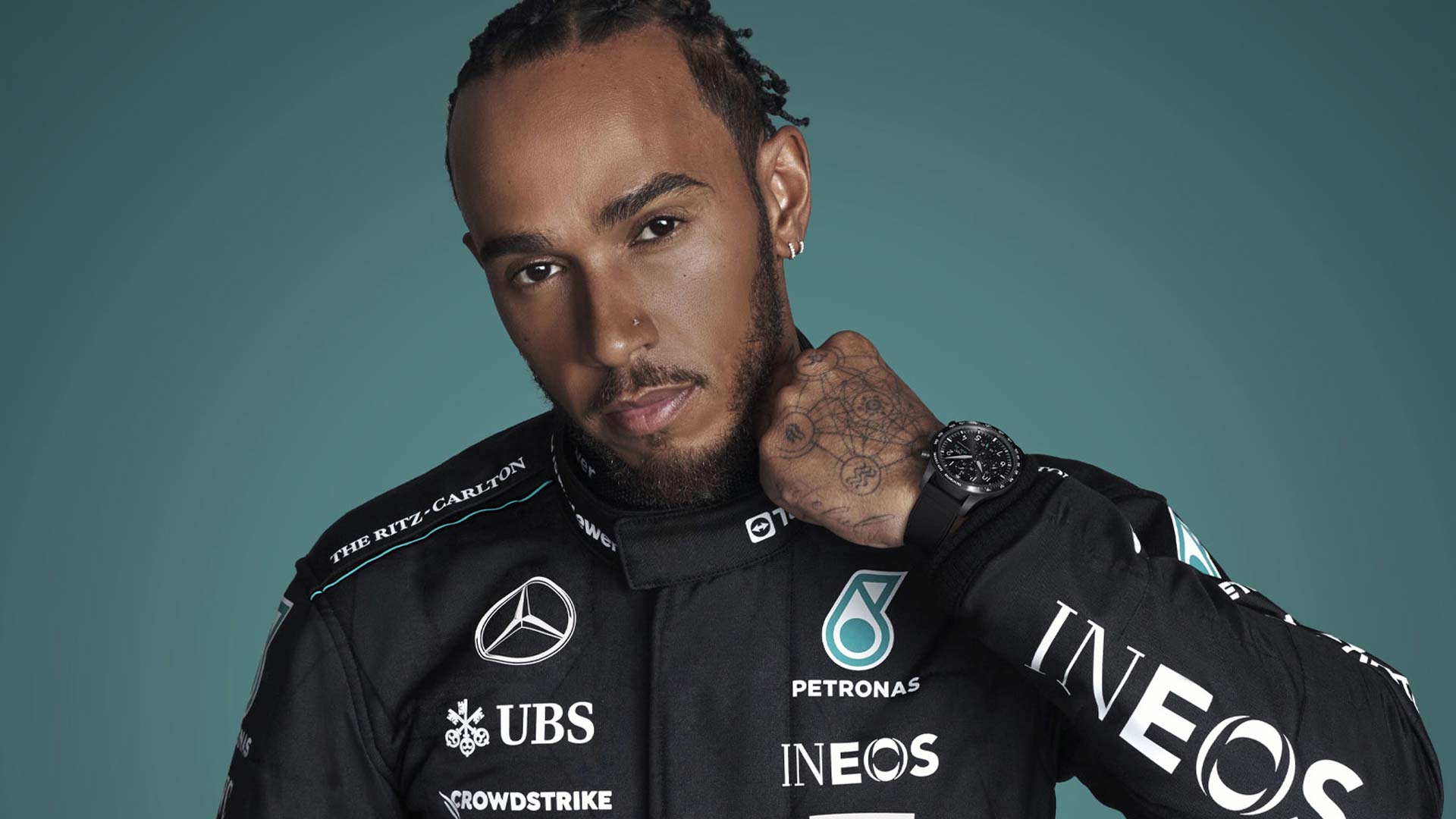
A luxury brand spends $2M on a 30-second spot. Crew of 80. Three days in the Dolomites. Two weather delays. Six weeks of post. It airs. It disappears. The agency celebrates it's "Ad of the Year Award". The CFO weeps. And the brand goes back to the briefing deck to do it all over again. There's a better model. The smartest brands are already using it.
Here's what $2M buys you in traditional luxury production. One location. One crew. One campaign. One window of relevance. Then it's gone. Archived. A line item that produced 30 seconds of usable footage and a highlight reel for the agency's website.
This model made sense when production was the bottleneck. When you needed 80 people, a Swiss workshop, three lighting setups, and a prayer for weather to get a single hero shot. The scarcity of production justified the cost. Quality required waste. Everyone accepted it because the alternative was worse. Cheap production looks cheap. And for a brand built on craft, looking cheap is existential.
But the alternative isn't cheap anymore. It's better.
The proof is already on screen.
Everything Everywhere All at Once won Best Picture with a VFX team of seven people and a $25 million budget. The team used AI to rotoscope a climactic scene that would have taken a traditional pipeline months. It took hours. Robert Zemeckis used AI to de-age Tom Hanks in real time on the set of Here. No prosthetics. No six-month post-production cycle. He saw the final performance while shooting. Netflix used generative AI to produce a building collapse for The Eternauts at ten times the speed and a fraction of the cost of traditional VFX. Not a test. Final broadcast footage.
If Hollywood can deliver this quality with AI-native tools, the question for luxury brands isn't whether the technology is ready. It's why their production model hasn't caught up.
The real cost isn't the $2M. It's what you didn't make.
A Ferrari campaign shouldn't be one perfect ad. It should be a hundred perfect stories, each tailored to a different market, audience, and moment. IWC shouldn't produce a single hero campaign that airs for six weeks. It should have a constant stream of cinematic content that keeps the brand present in culture between media flights.
Traditional production can't deliver this. The economics don't work. You can't fly a crew to five locations, shoot five campaigns, and post-produce five edits in the window the market demands. So brands settle for one. One shoot. One story. One chance. Then they wait six months and do it again.
AI cinematic production changes the equation entirely. For a fraction of the spend, a brand can produce dozens of high-end assets, test them, iterate, localise, personalise, and keep producing. The creative isn't a fixed asset anymore. It's a living system. The $2M doesn't buy one ad that dies in six weeks. It builds a production capability that keeps running.
This isn't about cutting corners. It's about removing the ones that never added value.
Luxury brands have the highest creative bar of any category. Every frame requires intention, taste, restraint. That's a human skill and it becomes more valuable in this model, not less. The creative direction, the brand tone, the narrative judgment, those stay human. The mechanical cost of producing against that vision is what gets compressed.
A watch brand doesn't get one hero shot from a single shoot. It gets a campaign system that produces cinematic content for every market, every season, every product launch, without rebriefing an agency each time. Same quality ceiling. Dramatically more output beneath it.
The shift isn't from "traditional" to "AI." It's from "campaigns" to "content infrastructure."
The brands that win the next decade won't be the ones with the biggest production budgets. They'll be the ones with the most agile production capability. The old model forced a choice between quality and speed. That trade-off is over.
Consider the content demands on a brand like Ferrari. Global markets, each with cultural nuance. Dozens of models. Seasonal campaigns. Digital, social, retail, events. The traditional model requires a separate production for each. The hybrid model requires a single creative framework that generates across all of them.
The future of luxury production isn't a choice between a $2M shoot and an AI shortcut. It's a creative director with impeccable taste, a brand with a clear identity, and a production partner that can turn both into cinematic content at the pace the market demands.
The $2M ad is dead. The system that replaces it is just getting started.
That's the Simitri model. The craft of a high-end studio. The agility of a product team. Production, reimagined.