

Production, reimagined.
SYDNEY
39 Martin Place,
Sydney 2000
39 Martin Place,
Sydney 2000
MELBOURNE
54 Wellington Street,
Collingwood 3066
54 Wellington Street,
Collingwood 3066
hi@simitri.studio

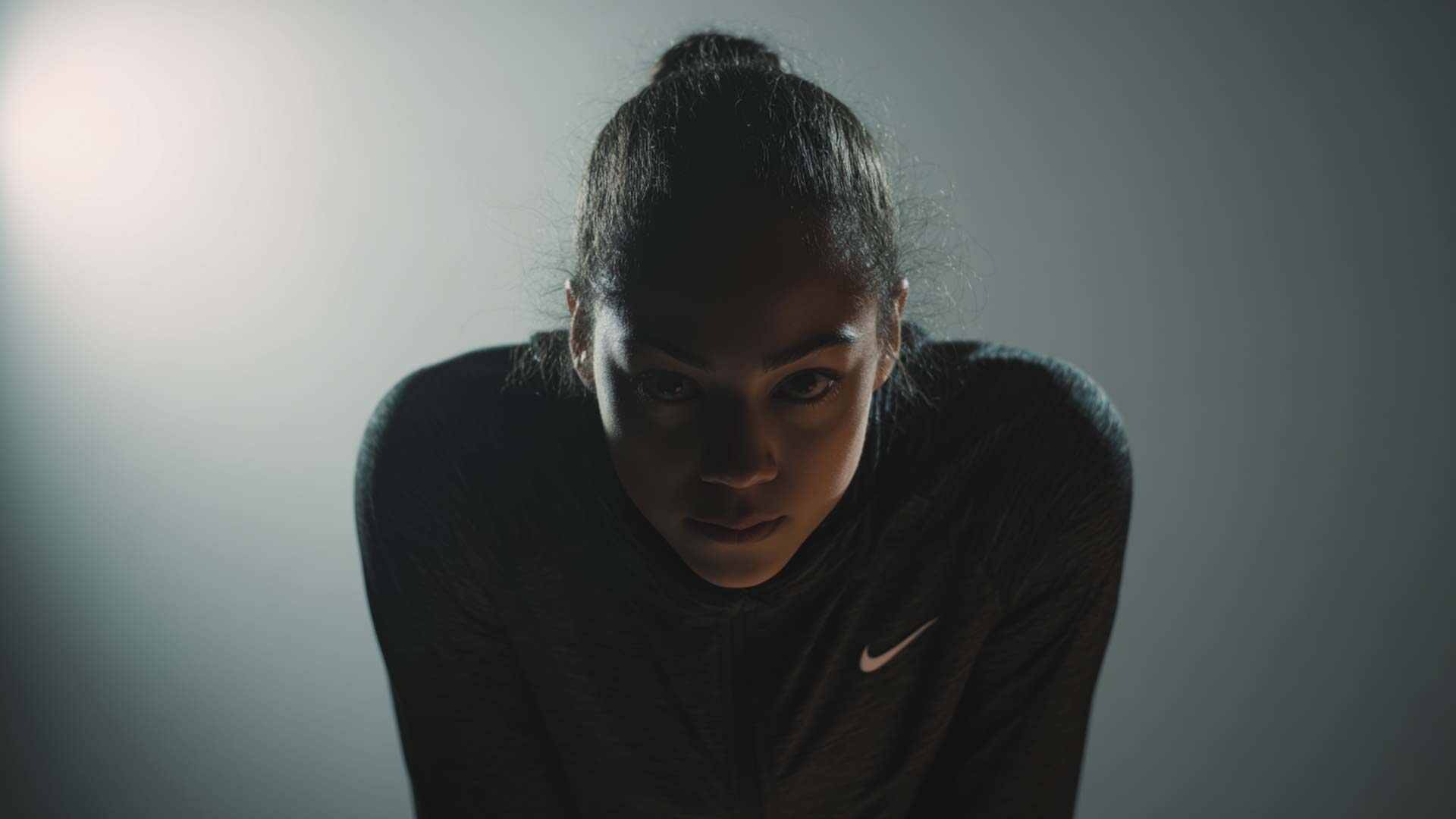
Professional athletes are the most underutilised brand assets in sport. They train, travel, and compete 300 days a year. The window for commercial content is a handful of media days and whatever they can fit between sessions. Meanwhile, sponsors want more content, across more markets, in more formats, more often. The maths doesn't work. AI-licensed production makes it work.
A top-tier NRL player is worth millions in sponsorship value. But the actual content produced from that partnership is shockingly thin. A photo day in January. A 15-second spot shot between training blocks. Maybe a social post or two that looks like it was filmed in a car park because it was.
The sponsor paid for the player's reach, their audience, their credibility in a specific market. What they got was three usable assets and a logo on a jersey. That's not a content strategy. That's a receipt.
The problem isn't willingness. It's physics. These athletes are training at 6am, reviewing footage at lunch, travelling three days a week, and playing on weekends. There is no window for a proper shoot. So the content stays thin, the sponsor feels underserviced, and the next deal gets negotiated down because the last one "didn't deliver enough visibility."
The likeness solves the logistics.
One structured licensing session captures an athlete's face, voice, movement, and mannerisms. From that single session, a production partner can generate dozens of cinematic assets across the life of the sponsorship. Not deep fakes. Not gimmicks. Licensed, approved, brand-quality content that puts the athlete in contexts a traditional shoot could never reach.
A rugby player fronting a recovery brand campaign localised across five Asian markets. A cricketer appearing in financial services content targeted at young professionals. A footballer in cinematic branded storytelling for an automotive partner, in a car, on a road, in a city they've never visited, looking like a $500K production. All from a single capture session that took half a day.
The athlete stays focused on their sport. The content keeps working.
Sponsors get what they actually paid for.
The sponsorship model is built on attention and association. A brand pays to borrow an athlete's credibility in front of a specific audience. But the delivery mechanism, the actual content, has always been the weak link. Too little of it. Too generic. Too slow to produce. By the time the campaign launches, the news cycle has moved on.
AI-licensed production turns a sponsorship deal into a content engine. The brand gets volume, variety, and speed. Seasonal campaigns. Market-specific executions. Social content that actually looks cinematic instead of looking like it was shot on an intern's phone in a corridor at the training facility.
For the athlete, it means their commercial value isn't capped by their calendar. For the club or management group, it means every sponsorship deal can deliver more, which means the next deal is worth more. The rights become more valuable because the output becomes more impressive.
The organisations that move first win twice.
Once. They generate more revenue from existing sponsorship deals by delivering content that over-services the partner. Twice. They command higher fees on the next negotiation because they can demonstrate a production capability that no other organisation is offering.
Imagine walking into a sponsor meeting and saying: "Sign with us, and we'll produce 50 pieces of cinematic branded content featuring your athlete across four markets this season. No additional shoot days required." That's not a sponsorship pitch. That's an unfair advantage.
The sports organisations still running the old model, a handful of media days, a photo library, and a logo placement, are leaving millions on the table. The ones who build licensed production into their commercial offering will redefine what a sports partnership is worth.
That's where Simitri comes in. We build the production infrastructure that turns athlete likeness into a scalable content asset. One capture. Unlimited output. Every market. Every format. Every sponsor satisfied.