

Production, reimagined.
SYDNEY
39 Martin Place,
Sydney 2000
39 Martin Place,
Sydney 2000
MELBOURNE
54 Wellington Street,
Collingwood 3066
54 Wellington Street,
Collingwood 3066
hi@simitri.studio
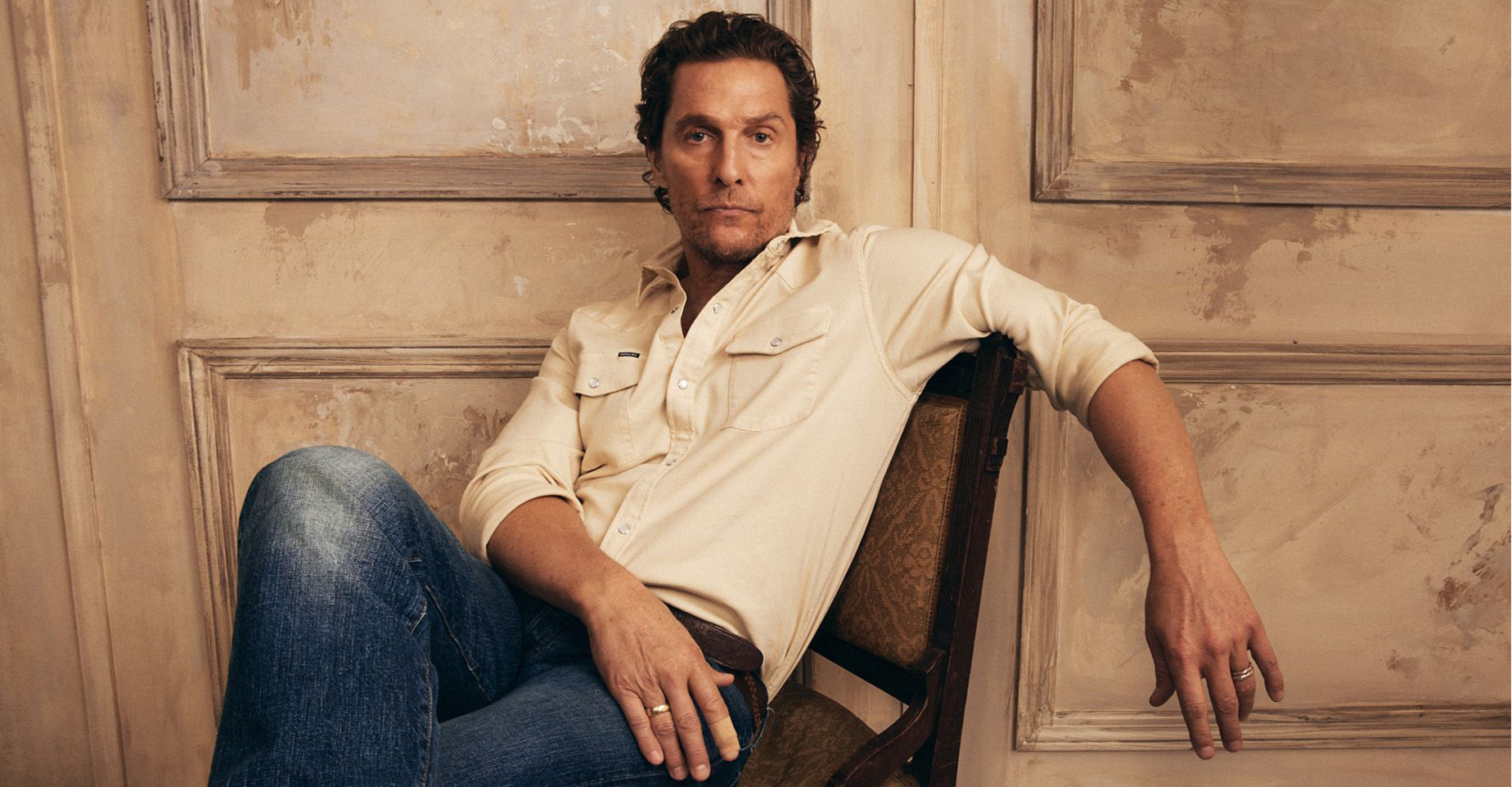
Matthew McConaughey stood on a CNN stage last week and said something most of Hollywood is still pretending isn't true: "It's not coming. It's here." Then he told every actor in the room to trademark their voice, their likeness, everything. His exact words: "Own yourself. So when it comes, no one can steal you."
This isn't theoretical. McConaughey has already had eight trademark applications approved covering his image, his voice, and yes, "alright, alright, alright." He's also an investor in ElevenLabs, the AI voice company. He's not fighting the wave. He's surfing it.
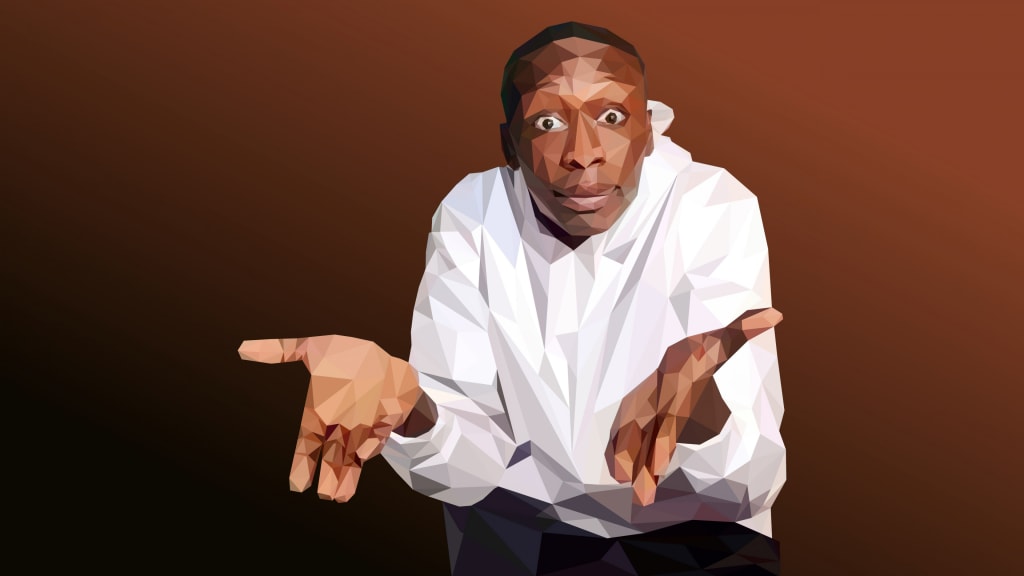
Meanwhile, Khaby Lame, a 25-year-old who built 160 million followers without saying a word, just closed a $975 million deal with Rich Sparkle Holdings that includes the commercial development of an AI digital twin, authorising use of his image, voice, and behaviour to generate multilingual, multi-version content Fortune. The company expects this to generate $4 billion in annual sales. Read that again. Michael Jordan had to physically show up to sell shoes. Lame doesn't have to lift a finger. He's licensing his behavioural patterns and his likeness does the rest.
This is the unbundling of celebrity. The face is the product. The likeness is the asset. The licensing deal is the revenue model. And the brands who understand this first will have access to recognisable human personalities at a fraction of the cost of a traditional endorsement, across every market, every language, every format, 24/7. The question isn't whether AI likeness licensing becomes a mainstream brand strategy. It's who builds the infrastructure for it.
That's where Simitri sits. We don't just make the content. We build the licensed pipeline between personality and brand, with structured rights, creative control, and production capability that scales.